Mutchilba Honey
The Story
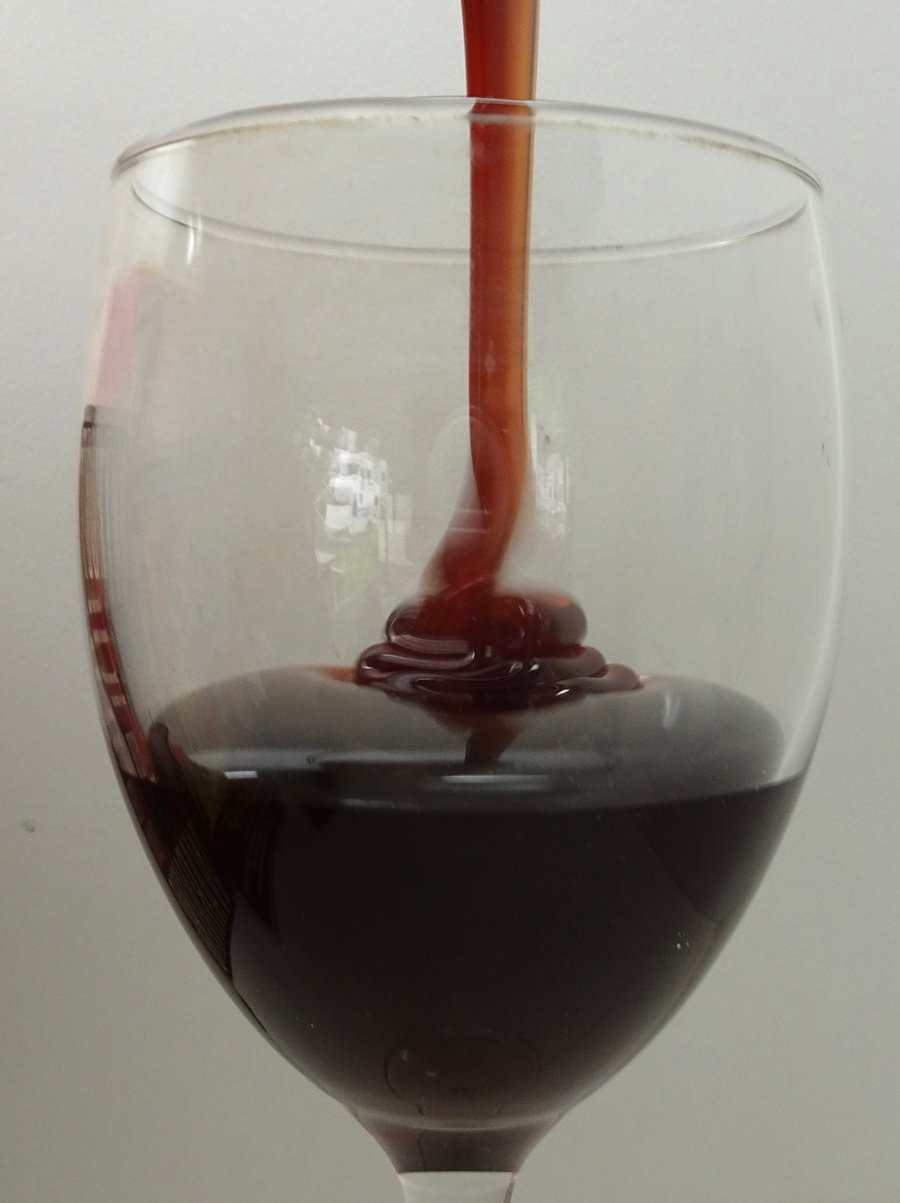
Mutchilba honey comes out of the jar almost black. The producer grades it in one word – “Black” – and reads the flavour as rich and deep with a burnt-toffee finish.
That colour is the puzzle the honey sets. Mutchilba is a small place west of Mareeba, on the dry, inland side of the Atherton Tableland, and the tree that dominates its woodland is narrow-leaved ironbark, which makes a pale, delicate honey. A black jar from this country cannot be an ironbark jar.
The colour comes from the rest of the same woodland and from the paddocks cut into it. Standing with the ironbark are the bloodwoods and the boxes, which run darker and fuller. And Mutchilba sits inside the Mareeba-Dimbulah Irrigation Area, where water piped from a dam finished in the 1950s turned dry woodland into one of Queensland’s densest blocks of avocado orchard. Avocado nectar makes a honey that is dark amber to mahogany, tasting of molasses. At the end of the avocado flowering, a little of it reaches the hives.
So the honey is a reading of a landscape that is half old and half engineered: dry woodland, and the orchards that were watered into it.
Characteristics
A dark multifloral, black in a strong season and merely deep amber in a weak one. The body is heavy and the sweetness is high, carried on molasses rather than on floral notes, with a burnt-toffee finish. It is a zone honey: its identity is the country west of Mareeba, not one species, and its balance shifts from harvest to harvest as different trees come into bud. Treat a jar as a vintage rather than a fixed profile. The honey is raw, cold-extracted and strained rather than fine-filtered, so pollen, wax and propolis traces remain in it.
Click to Display — The Details: sensory profile, and its regional identity
Bee Species:
The European honey bee, Apis mellifera. Honey House Kuranda works its own hives across the district and buys from other beekeepers in it, moving colonies between the wet rainforest of the coast range and the dry woodland inland.
Color:
black to very dark amber; paler in seasons when the woodland flowers alone
Flavor Profile:
rich, deep, molasses-sweet, finishing on burnt toffee
Tasting Notes:
The sweetness arrives late and stays. Where the producer’s lighter tableland honeys read as toffee, this one reads as molasses – heavier on the tongue, less floral, closer to a dark cane sugar than to a blossom honey. The finish is the part people remember: a caught, almost-burnt toffee note that keeps the sweetness from going flat.
It is a cooking honey as much as a table honey. The producer’s own suggestion is to fold it through crushed macadamia and pour it over ice cream, which tells you where its weight sits.
Aroma:
warm and dark-sugared, faintly resinous
Forage Origin:
The bees work the dry, open woodland of the Mutchilba-Mareeba belt, in the rain shadow behind the Wet Tropics. The Queensland government’s soil survey of the Mareeba-Dimbulah Irrigation Area describes the native vegetation of exactly this country as low open woodland of narrow-leaved ironbark and box, with occasional bloodwood and poplar gum over an understorey of cypress pine and tea tree. It is sclerophyll country: hard-leaved, fire-carrying, and nothing like the rainforest an hour to the east.
Within that woodland the trees do different work. Narrow-leaved ironbark (Eucalyptus crebra) is the most abundant, and it yields a light, delicately flavoured honey. The darker nectars belong to its neighbours – the bloodwoods (Corymbia, including red bloodwood and Dallachy’s gum) and the boxes, among them Molloy red box – which stand through the same woodland and make a fuller, deeper honey. Herberton ironbark, the Tableland’s own blue-leaved endemic, grows in this country too.
The fourth source is not native and not wild. Mutchilba lies inside an irrigation district of roughly eight hundred farms, and avocado is one of its three largest crops. Avocado nectar produces a honey of dark amber to mahogany, tasting of molasses and sorghum with a buttery toffee undertone. Bees do not much like avocado flowers – they are small, inconspicuous, and low on the list – but where the trees stand in enough numbers, the bees will work them and the beekeeper gets a crop. What reaches a Mutchilba jar is a small amount, taken at the tail of the avocado flowering, and it is the last dark note laid on top of the woodland.
Across a season the honey therefore runs roughly:
dry-season woodland flowering: ironbark, box and bloodwood, the ironbark pale and the box and bloodwood dark
end of the avocado bloom: a small avocado contribution from the surrounding orchards, dark and molasses-toned
wet years and weak years: the woodland flowers alone and the jar comes out lighter
Pairings:
Its weight suits it to dark, bitter and nutty partners rather than delicate ones. Use it where molasses or a dark brown sugar would go: over macadamia and ice cream, in gingerbread and spice baking, with sharp aged cheddar, or stirred into a marinade where its burnt-toffee edge can meet char.
Origin Story
The country that makes this honey was rebuilt inside a single lifetime.
Tobacco was first grown around Mareeba and Dimbulah in 1928, and it did well enough that the Queensland government set land aside for it – but the water would not hold. The decision to dam the Barron at Tinaroo Falls was taken in 1952, and the scheme that followed put more than three hundred and sixty kilometres of channel through the dry woodland west of Mareeba. Mutchilba is one of the communities it waters.
Tobacco is gone. What the channels feed now is fruit: mango, banana, citrus, sugar cane, coffee, and above all avocado, planted across thousands of hectares of what had been dry woodland. The trees the bees work in this country are therefore of two ages. The ironbarks, boxes and bloodwoods have been flowering here for as long as there has been woodland. The avocado arrived because someone dug a channel.
A honey that tastes of molasses is, in that sense, a piece of local history. The dark in the jar is partly the old woodland and partly the water scheme.
Harvest & Forage
Mutchilba is bottled by the harvest rather than blended to a standard, so the jar changes. A single dark lot came off in April 2026; other lots have been announced simply as new arrivals of dark bush honey. The producer’s practice is to extract each harvest separately and hand-bottle it, which is why colour and depth are stated per lot and not printed as a fixed profile.
Three things move the honey from season to season. The first is which trees flower: eucalypts do not bloom to a calendar, and a strong bloodwood or box year gives a darker jar than a year carried by ironbark. The second is whether the hives are in the woodland when the avocado bloom runs down, which decides whether the avocado note is present at all. The third is rainfall – this is dry country working on an irrigated margin, and a wet year and a dry year do not produce the same honey.
The practical consequence for a buyer is that Mutchilba is bought when it is there. The producer’s most popular lines sell out after harvest and are not restocked until the next one.
Beekeeping Context
This is migratory beekeeping over a very short distance. Within about an hour’s drive of Kuranda a beekeeper can put hives in tropical rainforest, in eucalypt woodland, or out on savannah grassland, and Honey House Kuranda works all three. The honeys are named for whichever zone the hives were standing in.
The naming is not marketing but a statement of what can honestly be claimed. The producer’s own rule is that a honey is called single-origin when one flowering dominates, and named for its region when it cannot be: where the bees have “up to ten different species as potential nectar sources”, the place name is the only honest label left. Mutchilba is a name given because no single tree could be.
Named Producers
- Honey House Kuranda – 7 Therwine Street, Kuranda, Far North Queensland. Established 1959 and the oldest business in the village; owned since 2007 by beekeeper Trish Green. Raw, cold-extracted, strained rather than fine-filtered and hand-bottled, with honey from its own apiaries and from other beekeepers in the district. A walk-in shop with a tasting bar and a glass-fronted observation hive, open Wednesday to Sunday. Mutchilba is sold here as a table honey and in bulk, and sells out.