Savannah Honey
The Story
Drive west from Mareeba and the country runs out of farm.
At Mutchilba the irrigation channels are still running and the avocado orchards stand in the woodland. Past Dimbulah the farms give way to cattle stations, the towns shrink to a pub and a railway siding, and the woodland opens out into savanna. Petford, where the savanna properly begins, has a population of twenty-two. Beyond it is Chillagoe, its limestone towers and its ruined copper smelters.
Savannah honey comes off that country – from hives somewhere between Chillagoe and Petford, on the far side of the line where the sclerophyll woodland gives way to open savanna grassland. There are no orchards here and no channels. What there is instead is gums, in great variety: the ironbark woodlands of this bioregion carry eight ironbark species that grow nowhere else on earth, alongside stringybark, box and bloodwood. And there is grass, and small flowering things among the grass, which the bees also work.
No one tree is in charge of this honey, which is why it carries the name of the country instead. It is lighter than the near-black Mutchilba honey from an hour back down the road, and where that one is molasses-deep, this one is earthy.
Same beekeeper, same road. Mutchilba is the honey of the last farm. Savannah is the honey of what lies past the end of them.
Characteristics
A multi-source honey from open savanna woodland, lighter than the dark tableland honeys and earthier than the pale ones. It has no dominant floral note because the country has no dominant nectar tree: this is a landscape of many gums rather than one, and the bees take from the ground flora between them as well as from the canopy. The honey is raw, cold-extracted and strained rather than fine-filtered, so pollen, wax and propolis traces remain.
Its character should be expected to move from harvest to harvest more than a monofloral honey would, because what is in flower out there changes and nothing reliably dominates. Treat a jar as a vintage.
Click to Display — The Details: sensory profile, and its regional identity
Bee Species:
The European honey bee, Apis mellifera. Honey House Kuranda moves colonies across three zones within about an hour of Kuranda – tropical rainforest, eucalypt woodland, and savannah grassland – and names each honey for the zone the hives were standing in. This is the honey of the third.
Color:
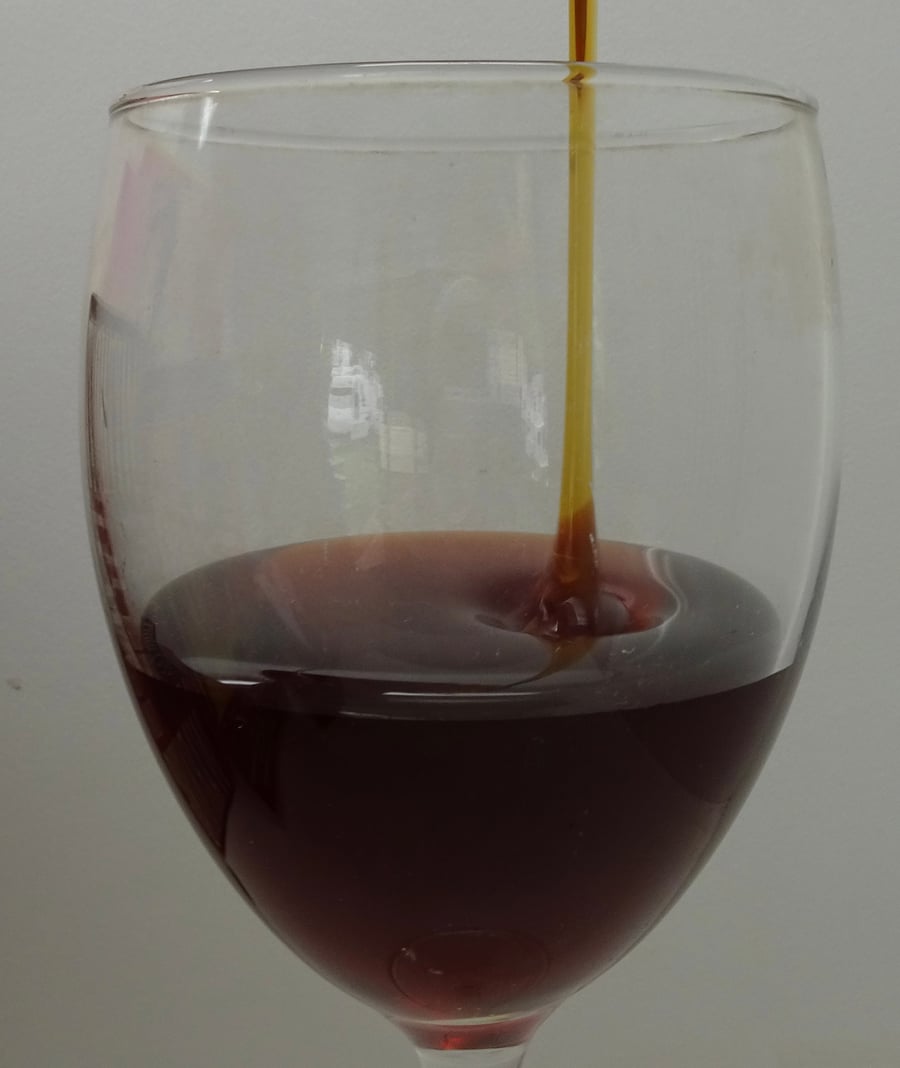
not graded by the producer; a deep red-amber that pours gold and sits dark in the glass – clearly lighter than the near-black Mutchilba, but not a pale honey
Flavor Profile:
earthy, more savoury than sweet-toned, with no single floral note in charge
Tasting Notes:
The word that keeps coming back for this honey is earthy. It is not the molasses weight of the dark tableland honeys and it is not the toffee of the light ones. It reads drier and more savoury, closer to the smell of the country it comes from than to any one flower in it.
These notes come from tasting, not from a producer grade. Honey House does not publish a colour or flavour reading for its savanna honey the way it does for the honeys in its table range, and no independent sensory description of it exists. What is recorded here is what the jar tastes like.
Aroma:
dry and warm, with a dusty, grassy edge rather than a floral one
Forage Origin:
The hives stand in the Einasleigh Uplands – a bioregion of savanna and woodland on an eroded volcanic plateau west of the Atherton Tableland, cut through with ridges, gorges and lava tubes, carrying roughly four thousand native plant species. It is a drier country than the tableland behind it, with its rain falling almost entirely between December and March.
The canopy is what makes this honey. The habitat is dominated by ironbark eucalypt woodland, and its ironbarks are unusually various: eight species of the ironbark group grow in this ecoregion and nowhere else, with two of them dominant. Narrow-leaved ironbark, Cullen’s ironbark and Shirley’s silver-leaved ironbark stand through it, with Darwin stringybark, Molloy red box, and the bloodwoods – Clarkson’s, red, and Dallachy’s gum – among them, and Cooktown ironwood and lancewood beneath. A hive here is inside a great many flowering species at once, and no one of them can carry the honey. That is the fact the name records.
Beneath the trees is grass: black speargrass, kangaroo grass, giant speargrass, plume sorghum. It is worth being precise about what the bees can and cannot take from it. Grasses are wind-pollinated – they offer pollen, not nectar – so the nectar the bees gather at ground level comes not from the grass itself but from the flowering herbs and low shrubs standing among it: the currantbushes, quinines, grevilleas and cocky apple of the savanna understorey. Which of them the bees favour on this ground is not documented, and is not guessed at here.
Across a season the honey therefore runs roughly:
the dry months: the gums, in sequence and in variety, no single species dominating for long
through the flowering of the understorey: the herbs and low shrubs between the grass, adding to the canopy rather than replacing it
the wet, December to March: the country turns over and the harvest is not taken
Pairings:
Its earthiness makes it a better partner for savoury and sharp things than for delicate ones. It sits well with strong cheese, with rye and seeded breads, and stirred through a dressing where a floral honey would be lost.
Origin Story
This is old country to walk through and young country to farm, and it has mostly refused to be farmed at all.
The road that runs out to it – from Mareeba through Mutchilba and Dimbulah, on past Petford to Chillagoe – was named the Wheelbarrow Way for the prospectors who pushed their barrows out along it to the mineral fields. What they were walking to was copper. Chillagoe smelted it, and the ruined stacks are still standing; the Chillagoe Railway and Mining Company put a line through Petford to carry it, and that line still exists, worked now by a tourist railmotor called the Savannahlander that runs from Cairns out into this country and back.
The mining went. What the savanna held onto was cattle. The irrigation scheme that transformed Mutchilba into orchards stopped well short of here, and the further west you go the less the land has been asked to become something else. That is the whole reason this honey is different from its neighbour: an hour east, the bees are working an engineered landscape of orchard and channel. Here they are working what was always here.
Harvest & Forage
The producer works this country as one of three zones and extracts each harvest separately, hand-bottling it rather than blending to a standard. What that means for the honey is that no two lots are the same, and that the honey is available when it is available.
What is not known – and is stated plainly rather than filled in – is the flow calendar for this apiary. Honey House has not published a harvest month for its savanna honey, and no independent record of one exists. What can be said from the country itself is that the wet season runs December to March and the flows will not be worked through it, and that in a savanna carrying this many eucalypt species the flowering is staggered rather than concentrated, so the composition of a lot depends on which trees were in bud when the hives were standing there.
As with the rest of this producer’s range, the popular lots sell out after harvest and are not restocked until the next one.
Beekeeping Context
Honey House Kuranda names a honey single-origin when one flowering dominates, and names it for its region when nothing does – their own account is that there may be “up to ten different species as potential nectar sources” in an apiary area, and where that is true a floral name would be a lie.
In the savanna that condition is not a seasonal accident but the permanent state of the country. This is the zone where the producer’s naming rule is least avoidable: with eight endemic ironbarks and a dozen other flowering species in range of a single hive, there is no honest name for this honey except the name of the place.
Named Producers
- Honey House Kuranda – 7 Therwine Street, Kuranda, Far North Queensland. Established 1959; owned since 2007 by beekeeper Trish Green. Raw, cold-extracted, strained rather than fine-filtered and hand-bottled, from its own apiaries and from other beekeepers in the district. A walk-in shop with a tasting bar and a glass-fronted observation hive, open Wednesday to Sunday. The savanna honey is one of the three zone honeys sold here and is not listed online; it is bought over the counter, when there is some.