
Provence Strawberry Tree Honey (Miel d'arbousier)
The Story
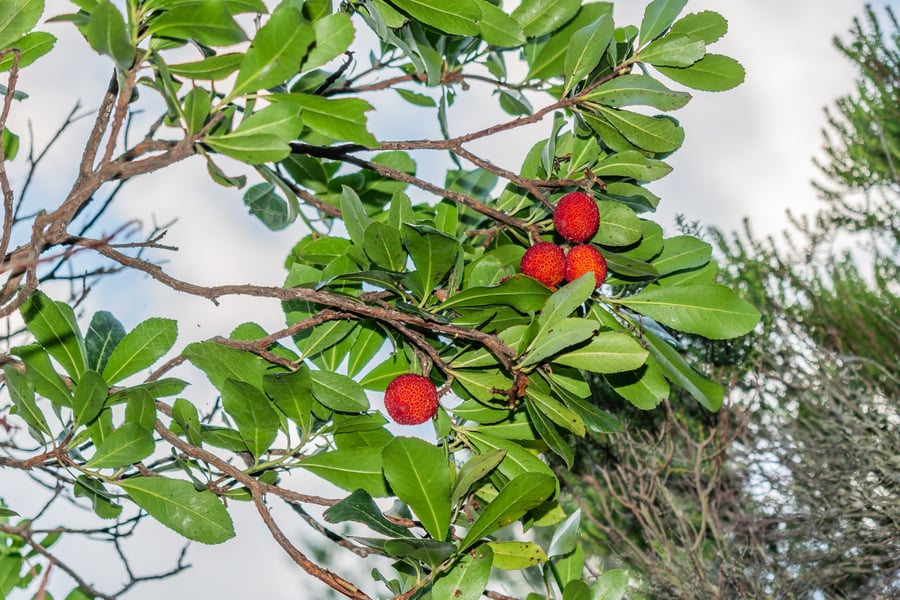
In Provence the strawberry tree grows thick only on acid, silica-rich ground: the crystalline massifs – the Maures, the Estérel, the Tanneron, Cap Sicié and the Hyères islands – that rise out of a limestone country, and the hollows beside them. Elsewhere in the region it stands in scattered clumps, and the whole of Provence lies at the northern edge of its range. In late autumn, when the weather allows, beekeepers take a dark, bitter honey from its flowers and sell it under the flower’s name alone, miel d’arbousier (strawberry tree honey).
A heritage body in the Maures says that for a long time it was not taken at all: thought unsellable because it was too bitter, the honey was left in the hive as the bees’ winter food. Even now it is taken only in the years the autumn allows.
Characteristics
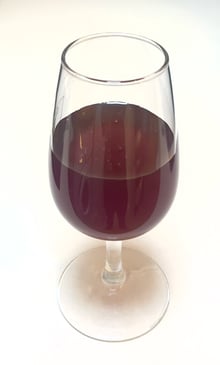
The Conservatoire describes it as dark, almost black when taken, and brown once set; the houses say it sets quickly and turns creamy. Its smell, in the Bouverie’s words, is vegetal, of dried leaves and green coffee, and the houses describe its taste as bitter above all, woody and long. The compounds behind that bitterness, found in the tree’s honey wherever it is made, are on the Strawberry Tree Honey page. Les Ruchers du Haut Languedoc, in the Hérault, say its high water content means it keeps best in the refrigerator.
Provence’s Label Rouge for all-flower honey names it among the honeys whose taste is too pronounced to be admitted, beside fennel, linden, chestnut and wild thyme.
Click to Display — The Details: botanical origin, sensory profile, and its regional identity
Botanical Name: Strawberry tree (Arbutus unedo)
Botanical Family: Ericaceae
Bee Species: 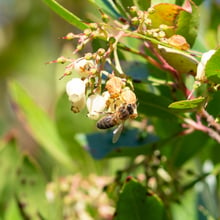
Apis mellifera, the western honey bee; no Provençal race or local strain of the bee is documented for this honey.
Color:
Dark at harvest; creamy once set
Flavor Profile:
Bitter, woody and persistent, by the producers’ own descriptions
Tasting Notes:
The houses that describe it all name the bitterness. The Rucher de la Bouverie, at Roquebrune-sur-Argens, calls it “un miel à part au goût puissamment amer” (a honey apart, powerfully bitter), with an aroma of dried leaves, green coffee and burnt caramel, “presque médicinale” (almost medicinal). Les Ruches de Tautavel describe a woody taste whose bitterness gives way to a taste of liqueur. Les Ruchers du Haut Languedoc, at Faugères, call it “fin et amer comme la gentiane” (fine and bitter like gentian).
The Conservatoire du Patrimoine du Freinet, writing in the Maures in 2010, gave it “le goût épicé aux fragrances orientales” (the spiced taste with oriental fragrances).
Miel Factory in Paris, which sells the Hérault honey, calls it “intense et amer” (intense and bitter) on its counter card. HoneyTraveler’s editor tasted it there in September 2026 and found the bitterness very light, coming after the sweetness: “that one just excites the taste buds a little and then you really taste the honey.”
Aroma:
Vegetal: dried leaves, green coffee and burnt caramel, as a Maures house describes it
Forage Origin: 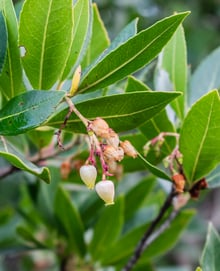
The bees take the nectar of the strawberry tree (Arbutus unedo, of the heath family, Ericaceae), an evergreen of the maquis; the plant, its flowers beside the previous year’s fruit and its honey everywhere else are on the Strawberry Tree Honey page.
The ecologist Guy Aubert mapped the tree across Provence in 1977. He found it very frequent on the crystalline coast and hills between Toulon and Cannes: Cap Sicié, the Maures, the Estérel, the Colle du Rouet, the Tanneron, the Hyères islands and the hollows of silica-rich ground north of them. It was less frequent inland of Toulon and the Maures, around Le Beausset, the Gros Cerveau and Le Thoronet, and rare around Marseille and on the western and northern edges of the Sainte-Baume.
The tree grows on limestone too, even on ground rich in lime, but there the competition of other shrubs holds it to scattered tufts. Where the ground is silica-rich and acid to weakly acid, as on the crystalline massifs, it forms dense stands, in a tall maquis of tree heather and strawberry tree. The cork-oak woods of those massifs grow on the same non-calcareous soil, bordered by that maquis. The Maures site counts 979 hectares of the tall maquis, beside some 16,000 hectares of cork-oak woods, and the Natura 2000 site of the Estérel, a volcanic massif in limestone Provence, names the strawberry tree among its most representative plants.
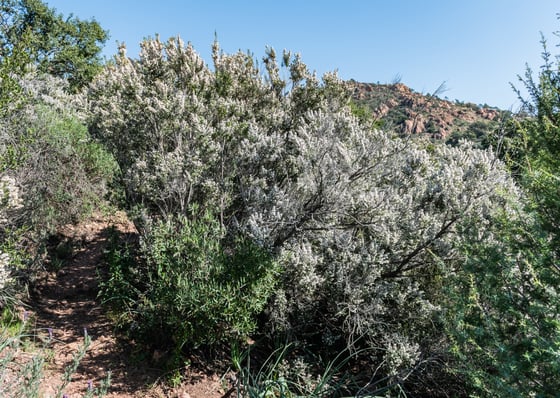
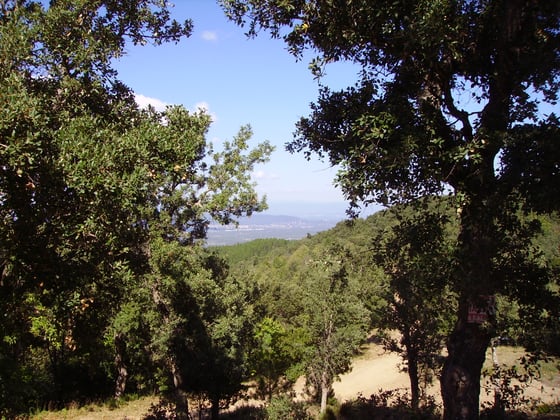
The same pairing of cork oak and strawberry tree is found in Corsica, the Forêt Modèle de Provence report notes. On the Atlantic coast of Aquitaine, from Arcachon to the Basque country, the tree grows on the seaward edge of the cork-oak dune forests, with broom and sage-leaved cistus.
Two Var houses place the honey in those massifs: L’Abeille de l’Esterel in the Estérel, the Rucher de la Bouverie in the Maures and the Estérel. That the dense stands provide the nectar flow is an inference; no source states it in so many words. The honey is also made off the massifs, in the hills of Le Castellet and the Sainte-Baume, and in Languedoc, in the Faugérois and the Aude Corbières.
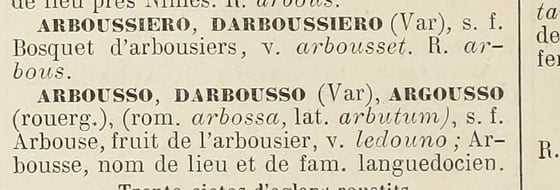
Aubert noted that the tree’s stumps can grow very large, above all where fires are frequent. Frédéric Mistral’s Provençal dictionary of 1879 gives the Var’s words darbousso (the fruit) and darboussiero (a grove of the trees), and a forest at Le Thoronet is called the Darboussière. In standard Occitan the tree is arboç and the fruit arboça.
Pairings:
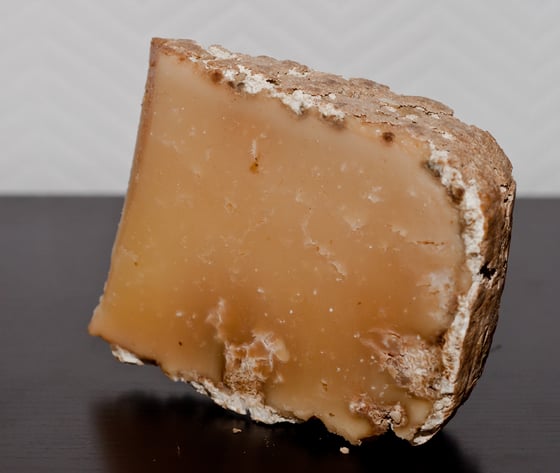
The Forêt Modèle report pairs it with aged and sharp cheeses and with coffee, whose bitterness it matches.
The Conservatoire du Patrimoine du Freinet, in the Maures, gives a recipe, poulet au miel d’arbousier et au safran (chicken with strawberry tree honey and saffron): chicken legs cooked with saffron, golden raisins, pine nuts and bay, the honey stirred into the sauce, which then reduces by about half.
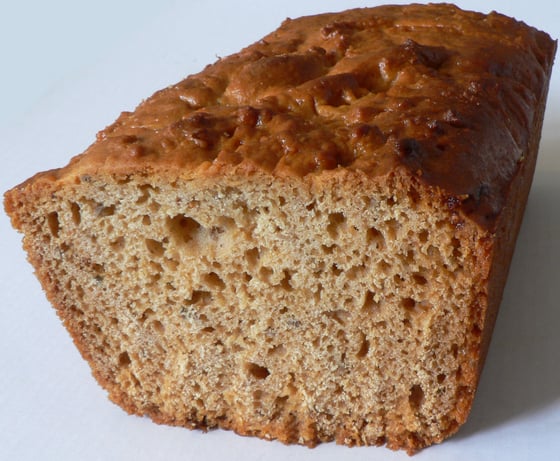
The Forêt Modèle report names the programme’s two leading products as a gingerbread made with the honey and a beer made with the honey and the fruit, and says the Brasserie Carteron brews a blond beer with both for the Château de Léoube. L’Abeille de l’Esterel has also sold a blond beer brewed with the honey by the Bière de l’Arena.
Origin Story
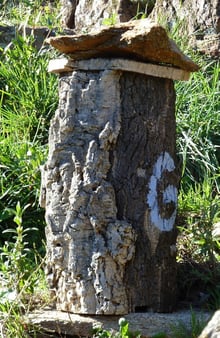
People in the Maures have kept bees for centuries. In the late Middle Ages the hives stood in the woods, on waste ground and in clearings, and the harvest, as far as the records show, came in spring. At Roquebrune in the seventeenth century the hives were bruscs, cylinders of cork bark with cross-sticks of strawberry tree, heather or chestnut inside. A cadastre of a single commune, La Garde-Freinet, counts 4,380 hives in 79 apiaries in 1620. The Conservatoire du Patrimoine du Freinet notes that wax was once far more profitable than honey and preferred to it, “surtout celui qui était produit dans les Maures” (above all to the honey made in the Maures). None of these records names a strawberry tree honey or an autumn crop.
When Fauchet described the Var in 1805, as the local historians Boudinot and Romagnan quote him, the strawberry tree was one of eight plants growing in abundance on the schist and granite hills, whose honey he called “jaune et de qualité médiocre” (yellow and of middling quality); to the north, where the bees worked lavender, box and wild thyme, the honey was “blanc et agréablement parfumé” (white and pleasantly scented).
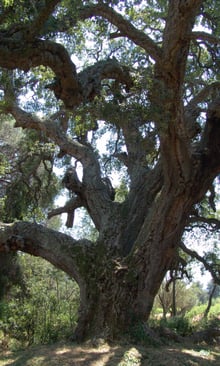
The tree itself was a problem to foresters. A government inquiry into the fires of the Maures and the Estérel, launched in 1868, prescribed clearing tree heather and strawberry tree from the cork-oak stands and pulling their stumps.
In Genier’s national honey-pollen survey of 1966, strawberry tree pollen turned up in about 1 percent of the honeys from the Var coast, never above a minor share of the pollen, against 10 to 26 percent on the Atlantic coast. Genier found the bees working the tree “plus spécialement dans la partie occidentale” (above all in the western part) of its French range, and its pollen dominant only in honeys from the Landes.
The earliest dated text found that names the honey in the region is a page of the Conservatoire du Patrimoine du Freinet of December 2010. By 2023 the Forêt Modèle de Provence had spent five years on a programme around the tree – its honey, fruit, wood and a beer – with, as a long-term aim, a way of managing the stands that would limit the damage of fire.
Cultural Context
Its reputation is for bitterness: the Forêt Modèle de Provence report calls it “peu prisé en France” (little prized in France), and a beekeeper in the Hérault says it has “peu d’amateurs” (few enthusiasts). The Var tourist board lists it among the department’s honeys, for November, “à découvrir” (to discover).
In the national honey competition of the beekeepers’ union UNAF, a Gard arbousier of the 2022 crop won a coup de cœur, the jury’s special mention.
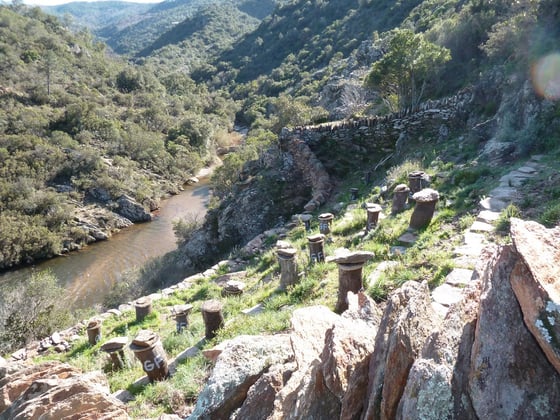
One of the old apiaries of the Maures can be visited. The Conservatoire’s Rucher de Blay at La Garde-Freinet, a seventeenth-century apiary, stands on a waymarked walk, open all year; visitors are asked to stay outside the enclosure. Between 20 October and 17 November 2015 its bruscs gained 7.7 kilograms on average, and the honey tasted there had, in the Conservatoire’s words, “le goût si particulier du miel d’arbousier” (the so particular taste of strawberry tree honey). Check before going, in summer above all, whether the forest massifs are open.
Harvest & Forage
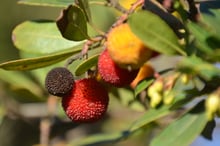
The strawberry tree flowers from October to January, when its fruit is ripe. The Var houses take the honey at the very end of the year: from late November into December by their accounts, before the frosts, since, as the Conservatoire warns, winter’s cold can come very fast. In the Hérault the Faugères house takes it at Christmas.
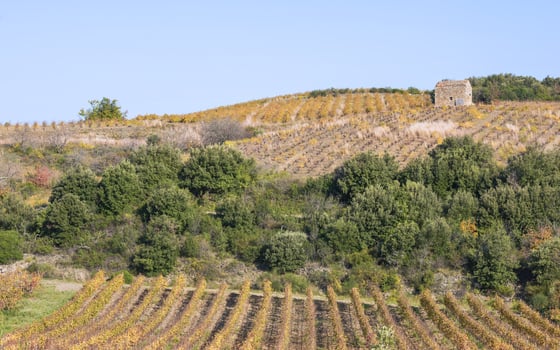
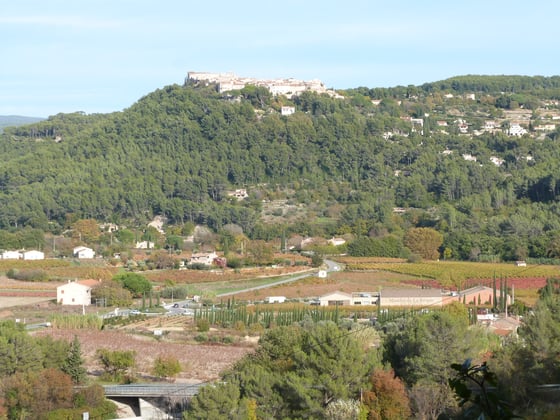
The crop depends on the autumn. The Miellerie de l’Oratoire makes it about one year in three or four, when there is an Indian summer; the fine late season of 2024 gave it a crop at the end of November.
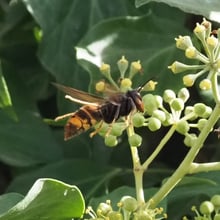
In November 2021 François Laponche of the Rucher de la Bouverie, who had lost two hundred of his seven hundred colonies that year, found the autumn rain had come too late; he hoped his bees would still have time to take a crop from trees already in flower before they wintered. The house’s German stockist reported no harvest at all in the winter of 2025-26. In the Hérault, a Les Matelles beekeeper takes it only very exceptionally and leaves the flow to the bees for the winter. A Forêt Modèle trial wintered 48 hives in the strawberry tree near Le Beausset; drought, strong wind during flowering and the Asian hornet, which took five of the hives, left no honey to take.
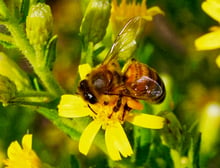
Other plants flower in the same autumn maquis. In September 2026 L’Abeille de l’Esterel was selling a miel de maquis (maquis honey) from between the Maures and the Estérel whose plants it names as strawberry tree, ivy, sticky fleabane and rough bindweed, and the Rucher de la Bouverie a maquis honey beside its arbousier.
Beekeeping Context
Hives are moved across the region along a traditional route from the coast up to Haute-Provence and, in autumn, back to the coastal strip to winter, according to the Miel de Provence producers’ calendar. The strawberry tree flowers from October into January, while the hives are back on the coast. L’Abeille de l’Esterel places its arbousier in the Estérel massif.
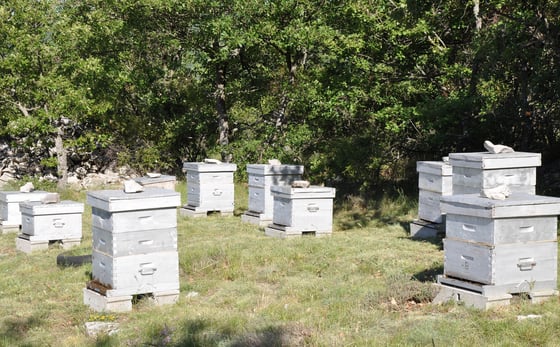
Fire takes hives and harvests at once: a Var beekeeper lost 60 hives in the fire of August 2021, and the next year the burnt ground held too little forage to bring them back. The strawberry tree itself survives fire, growing back from its stump, and a year later it was resprouting across the burnt Maures. The long-term risk is drought after fire. The nature-protection society SNPN warns that the regrowth does not survive drought on top of fire, and the Maures burn often: the Plaine des Maures burnt in 1979, 1989 and 2021, and more than half of the Maures Natura 2000 site burnt at least once in 26 years. An Estérel beekeeper says the maquis has been short of water since the great drought of 2003. Where the trees fail to come back, so does the honey.
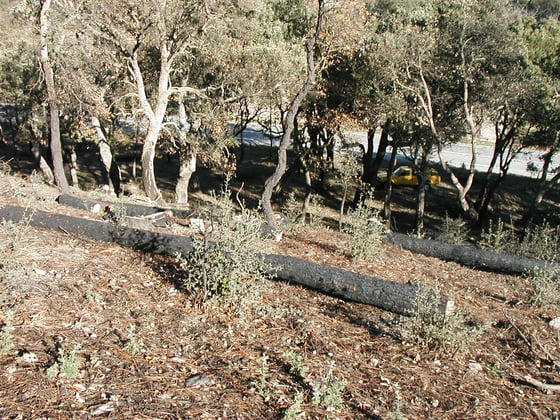
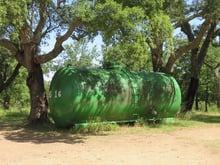
Meanwhile, the clearing done for fire defence cuts into the forage. Ground on the Plaine des Maures is regularly mulched for fire defence, and the same Estérel beekeeper says that where plants are cut to the ground, the honey plants take several years to grow back.
Named Producers
L’Amie Ailée – Roquebrune-sur-Argens (Var), at the foot of the Rocher de Roquebrune on the edge of the Maures, by the house’s account. Its range includes a miel d’arbousier from the Var. Check before travelling. (French translated to English
)
Miellerie de l’Oratoire – Olivier and Virginie Paxé, Sainte-Anne du Castellet, Le Castellet (Var). Makes its arbousier in the hills of the Sainte-Baume, Le Castellet and La Cadière in the years a late fine autumn allows, about one in three or four by its own account. Check before travelling. (French translated to English
Les Ruchers du Haut Languedoc – Flora Pradier, Faugères (Hérault). Takes its arbousier at Christmas in the Faugérois, as the house states; in September 2026 Miel Factory, in Paris, named the house as the beekeepers of its arbousier. Sells at the markets of Bédarieux and Lamalou-les-Bains, per the Haut-Languedoc regional park’s directory. Check before travelling. (French translated to English
Les Ruches de Tautavel – André Huguet, Tautavel (Pyrénées-Orientales). Lists an arbousier from the Aude Corbières among its honeys, offered when the harvest allows. Check before travelling. (French translated to English
L’Abeille de l’Esterel – Adrien and Sébastien Ciappara, Les Arcs-sur-Argens (Var). Its arbousier is, by its account, made in the Estérel massif. Check before travelling. (French translated to English
Rucher de la Bouverie – the Laponche family, Roquebrune-sur-Argens (Var), beekeepers since 1925 by the house’s account. Harvests its arbousier in the Maures and the Estérel in November and December. Check before travelling. (French translated to English
Translations
- Miel d’arbousier – French, the name on every jar of the honey read in the region